

Understanding the psychology behind gambling behavior in casinos
The Allure of Risk and Reward
Gambling behavior in casinos often stems from the thrill of risk and the prospect of reward. The basic premise of gambling is that players place bets with the hope of winning more than they wager. This interplay between risk and potential reward activates the brain’s reward system, triggering the release of dopamine, a neurotransmitter associated with pleasure. When individuals win, the euphoric feelings can reinforce their behavior, encouraging them to return to the casino to chase that rush again. For those interested in exploring mobile options for their gaming activities, https://topaz33-australia.com/app/ provides a convenient platform that enhances the gambling experience.

The allure of uncertainty also plays a significant role in gambling psychology. People are naturally drawn to activities that involve a level of unpredictability, as it creates excitement. This unpredictability is magnified in games of chance, where outcomes are not easily foreseeable. The anticipation before the result—be it a spin of the roulette wheel or the flip of a card—can be intoxicating, and this emotional rollercoaster often leads players to gamble more, hoping to replicate their previous highs.
Additionally, the gamification of gambling experiences has transformed traditional casino activities into highly engaging forms of entertainment. With the introduction of technology, casinos now employ elements like graphics, sound effects, and themed gaming environments to heighten the sensory experience. This combination of risk and reward, paired with a stimulating atmosphere, can lead to extended periods of gambling, even when the odds are stacked against the player.
The Role of Cognitive Biases
Cognitive biases heavily influence gambling behaviors, often skewing players’ perceptions and decisions. For instance, the “gambler’s fallacy” is a common cognitive distortion where individuals believe that past events affect future outcomes, despite the randomness of each game. A player might think that a slot machine is “due” for a payout if it hasn’t paid out recently. Such biases can lead to poor decision-making and an increased willingness to gamble, ultimately leading to losses.
Furthermore, confirmation bias plays a role in how gamblers interpret their successes and failures. Individuals tend to remember their wins more vividly than their losses, leading them to overestimate their chances of winning in the future. This selective memory can create a misleading sense of confidence, encouraging players to take larger risks or gamble more frequently, believing they are on a winning streak.
Another cognitive bias that significantly impacts gambling behavior is the illusion of control. Gamblers often perceive that they have some influence over random events, such as card games or dice rolls. This feeling can lead players to engage in superstitions or rituals, thinking these practices can improve their odds. This illusion can be a double-edged sword, as it may provide short-term enjoyment, but it often leads to harmful long-term gambling habits.
The Social Aspects of Gambling
The social environment within casinos also affects gambling behavior. Casinos are designed to encourage social interaction, creating an atmosphere where individuals can share their experiences and emotions. This communal aspect can amplify the excitement and enjoyment associated with gambling, leading to increased participation. Many players find that the social validation from others enhances their experience, encouraging them to gamble longer and more often.
Moreover, peer influence can significantly impact gambling decisions. When surrounded by others who are actively engaging in gambling, individuals may feel pressured to join in or increase their bets. This phenomenon is particularly evident in group settings, such as poker tables or during popular events. The sense of belonging can make individuals less cautious about their spending, overshadowing their usual restraint.
Additionally, the rise of online gambling platforms has transformed the social dynamics of betting. Players can interact through chats and forums, creating virtual communities that foster a sense of connection. While this accessibility allows for an enjoyable experience, it can also lead to increased gambling behaviors, as players feel supported by their peers, sometimes leading to unhealthy betting practices.
The Impact of Technology on Gambling Behavior
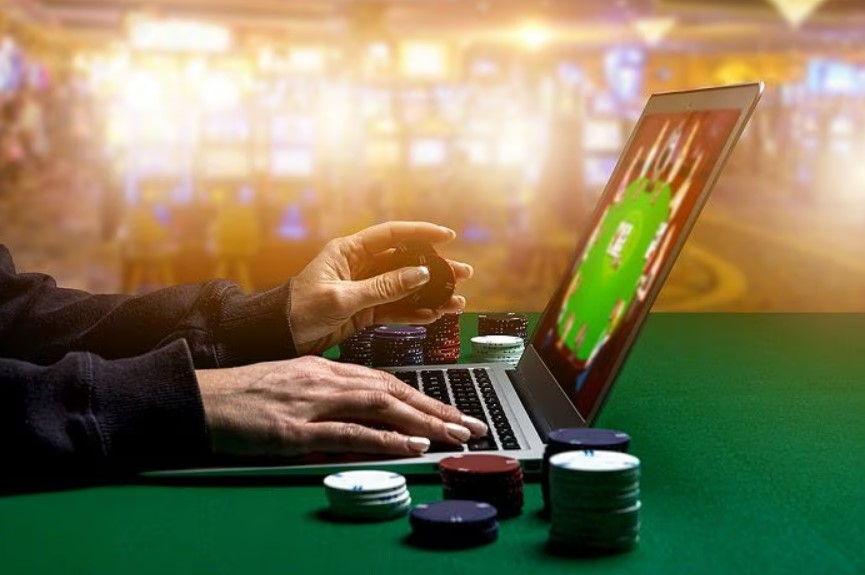
The integration of technology in casinos has significantly altered gambling behaviors. Mobile gaming platforms have made it easier than ever for users to access their favorite games from anywhere at any time. This convenience has led to an increase in gambling frequency, as players can engage in betting activities without the need to physically visit a casino. The ease of access often blurs the lines between casual play and compulsive gambling.
Furthermore, the use of data analytics allows casinos to tailor promotions and offers to individual players. Personalization can enhance the gambling experience by making players feel valued and understood, but it also encourages extended play. Real-time notifications about promotions or rewards can entice players to return to gaming more frequently, sometimes leading to impulsive betting behaviors.
The gamification of online platforms further captivates users. Elements like leaderboards, rewards for participation, and challenges create an environment that feels competitive and engaging. While this strategy may enhance user experience, it can also contribute to addictive behaviors, as players strive to achieve higher rankings or unlock new features, often at the expense of responsible gambling.
Exploring Responsible Gaming with Topaz33
Understanding the psychology behind gambling behavior is crucial for promoting responsible gaming practices. Platforms like Topaz33 offer an innovative mobile gaming experience that emphasizes user engagement while prioritizing player safety. By implementing features such as spending limits and self-exclusion options, Topaz33 empowers users to take control of their gambling activities.
Moreover, Topaz33’s commitment to providing real-time notifications and tailored promotions helps users stay informed and engaged without compromising their well-being. By offering a seamless gaming experience across various devices, Topaz33 caters to the modern player while advocating for responsible gaming practices.
In conclusion, the psychology behind gambling behavior is complex, involving a multitude of factors ranging from cognitive biases to social influences and the impact of technology. Platforms like Topaz33 are essential in fostering a safer gaming environment, allowing enthusiasts to enjoy their favorite games responsibly while being mindful of their gambling habits.